
Business Etiquette in Japan vs. South Korea vs. China: Key Differences
Why treating Japan, South Korea, and China as one "East Asian business style" is one of the most common — and costly — assumptions a foreign visitor can make.
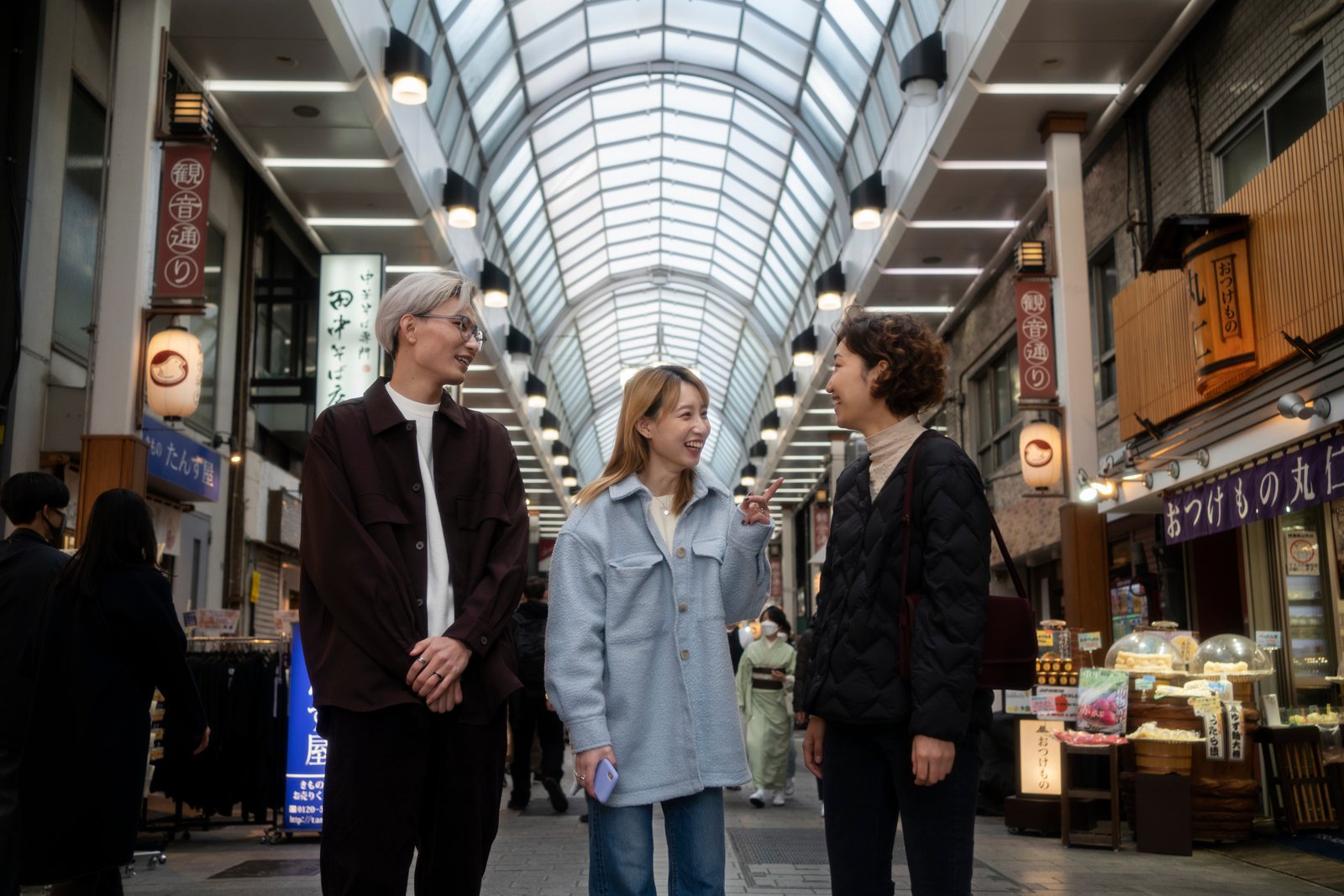
Why treating Japan, South Korea, and China as one "East Asian business style" is one of the most common — and costly — assumptions a foreign visitor can make.
Key Takeaways
- Japan, South Korea, and China share real structural similarities — hierarchy, indirect communication, relationship-first business — but treating them as interchangeable is one of the most common mistakes a foreign visitor can make.
- The clearest practical differences show up in how business cards are presented, how meals and drinking factor into relationship-building, and how directly age and title shape everyday address.
- Preparing for "East Asia" as a single trip, using one playbook for all three stops, is a recognizable and avoidable misstep — each country rewards specific, not generic, preparation.
Why this comparison matters more than it seems
It's genuinely common for a first-time visitor doing a multi-city trip through Tokyo, Seoul, and Shanghai to prepare a single "East Asian business etiquette" mental model and apply it everywhere. This is a understandable instinct — the three countries do share a foundation of hierarchy, relationship-building, and communication that avoids direct confrontation — but the specifics diverge in ways that genuinely matter in the room. Someone who bows correctly in Tokyo can still misstep badly in Seoul by pouring their own drink, or in Shanghai by bringing a gift that would have been perfectly appropriate in Japan a decade ago. This guide pulls the three full country guides together side by side, specifically to correct the "it's basically all the same" assumption with concrete detail.
Side-by-Side Comparison
| Aspect | Japan | South Korea | China |
|---|---|---|---|
| Greeting | Bow alone is standard; handshake offered mainly to foreign visitors | Bow and handshake often combined, sometimes with forearm support | Handshake standard, sometimes with a slight nod; softer grip than Japan/Korea |
| Business card presentation | Both hands; presentation order less tied to status | Both hands; junior or visiting party typically presents first | Both hands; Chinese-language side presented facing recipient if available |
| What drives hierarchy day-to-day | Company seniority and title | Age as much as title — genuinely asked about early in a relationship | Position and company hierarchy; deference to most senior figure present |
| Relationship-building setting | Business dinners; sake/beer shared, but less ritualized than Korea's hoesik | Hoesik — after-work dinners and drinking with specific pouring/receiving etiquette | Guanxi-building meals and banquets, now more modest than a decade ago |
| Gift-giving today | Modest, well-presented; avoid sets of four | Similar taboos to Japan; polite initial refusal is part of the ritual | Now genuinely restrained due to anti-corruption policy — avoid anything lavish |
| How "no" is communicated | "It's a bit difficult," extended silence | Similar indirect phrasing; deference to senior view in group settings | "We'll study this further" — tied closely to avoiding loss of face for both sides |
Greetings: The Detail Most Visitors Get Wrong
The biggest practical mix-up happens right at the greeting. Visitors who've read up on Japan often walk into a Korean meeting expecting a bow alone, when in practice a bow and handshake are frequently combined. The reverse mistake also happens: offering only a handshake in Japan when a slight bow would land better, particularly with a more traditional or senior counterpart. In China, the handshake is the default and doesn't carry the same bow-pairing expectation as Korea's — mixing up these specific mechanics across three fairly close destinations on one trip is a genuinely easy, and noticeable, misstep.
Punctuality: More Similar Than the Other Categories
This is one area where the three countries align closely — punctuality is taken seriously in all three, and arriving a few minutes early is the safe default everywhere. The bigger risk isn't punctuality itself but assuming a decision reached verbally in one country works the same way in another. In Japan, decisions often go through informal consensus-building (nemawashi) before or between meetings. In Korea, a similar internal-confirmation step is common, generally less protracted. In China, consensus among stakeholders often precedes a senior figure's final sign-off. Across all three, pushing for an immediate answer at the end of a single meeting is a mistake — but the reason and the process behind the delay differ enough to matter if you're trying to read the room accurately.
Communication Style: Indirect, But Not Identically Indirect
All three favor indirect communication over blunt refusal, but the underlying logic differs in ways worth understanding rather than treating as one generic "Asian indirectness." In Japan, the honne/tatemae distinction — private true feelings versus the socially appropriate public response — shapes a lot of what's said in a meeting. In Korea, nunchi, the skill of reading unspoken mood and hierarchy, plays a similar but distinct role, layered with the age-based deference covered in the Korea guide. In China, indirectness is tied explicitly to mianzi (face) — a direct refusal risks embarrassing both parties, not just the person declining. The practical result looks similar (a soft "no" rather than a hard one), but the social logic underneath, and what actually causes offense, differs by country.
If You Only Remember One Thing Per Country
- Japan: Treat the business card exchange with real ceremony — it's one of the most closely watched first impressions in the entire meeting.
- South Korea: Never pour your own drink at a hoesik dinner — let someone pour for you, and reciprocate for others.
- China: Keep gifts modest and clearly company-to-company — the anti-corruption environment has made lavish gestures a genuine risk, not just an outdated nicety to skip.
Common Mistakes to Avoid
- Preparing one generic "East Asia" playbook for a trip covering all three countries instead of country-specific preparation.
- Assuming Korea's greeting matches Japan's. The bow-and-handshake combination is distinctly Korean.
- Bringing an expensive gift to China based on outdated advice that predates the country's anti-corruption crackdown.
- Reading all three "no" signals the same way. The underlying social logic (tatemae, nunchi, mianzi) differs even when the surface politeness looks similar.
- Assuming hierarchy works identically. Korea's age-based deference is a genuinely distinct layer not present in the same form in Japan or China.
In simple words
Japan, South Korea, and China share a family resemblance — hierarchy, indirectness, relationship-first business — but the specific mechanics of greetings, gift-giving, drinking culture, and how "no" gets communicated genuinely differ. Prepare for each country on its own terms rather than assuming what worked in one will carry over cleanly to the next stop on your trip.
Frequently Asked Questions
Is East Asian business etiquette basically the same across Japan, Korea, and China?
There's real structural overlap — hierarchy, relationship-building, and indirect communication all matter in each — but the specific customs (greetings, gift-giving, drinking etiquette, and how refusal is signaled) differ enough that treating them as interchangeable is a common and avoidable mistake.
Which of the three countries is most hierarchical?
All three take hierarchy seriously, but the basis differs — Japan and China lean more on company title and position, while South Korea layers in age as an equally significant factor in day-to-day deference, even between people with similar job titles.
Should I bring the same gift to meetings in all three countries?
No. While all three share some taboos (avoiding sets of four), China's current environment makes lavish gifts genuinely risky due to anti-corruption scrutiny, while modest, well-presented gifts remain more standard practice in Japan and South Korea.
Which country has the most ritualized drinking culture in business?
South Korea's hoesik dinners have the most distinctly codified drinking etiquette of the three, including specific pouring and receiving customs. Business dinners in Japan and China also involve alcohol and toasting, but with less ritualized structure around the specifics.
Do all three countries avoid saying "no" directly?
Yes, though for related but distinct reasons — Japan's tatemae, Korea's nunchi and hierarchy-driven deference, and China's mianzi (face) all lead to indirect refusal, but understanding the specific social logic behind each helps you read the signals more accurately.
This guide summarizes and compares general, commonly observed business customs across Japan, South Korea, and China. For full detail on each country individually, see our dedicated guides to Business Etiquette in Japan, Business Etiquette in South Korea, and Business Etiquette in China.
Continue with related WorldDepth guides
Related articles
Comparison Guides • Comparison Guide
Business Etiquette in Brazil vs. Mexico: Latin American Business Culture Compared
Two of Latin America's largest economies, one lazy assumption — why treating Brazilian and Mexican business culture as interchangeable costs visitors more than they realize.

Comparison Guides • Comparison Guide
Business Etiquette Across the Middle East: UAE vs. Saudi Arabia
Two Gulf neighbors, two different paces — why the more relaxed rhythm of Dubai doesn't prepare you for how much slower and more relationship-driven business moves in Riyadh.
Comparison Guides • Comparison Guide
Business Etiquette in the US vs. UK: Subtle but Important Differences
Same language, genuinely different meanings — why American enthusiasm and British understatement so often talk past each other in the same meeting.