
Business Etiquette in South Korea: A Practical Guide for International Professionals
Why age matters more than job title in Korean business hierarchy — and the drinking-culture rituals that quietly decide whether a deal moves forward.
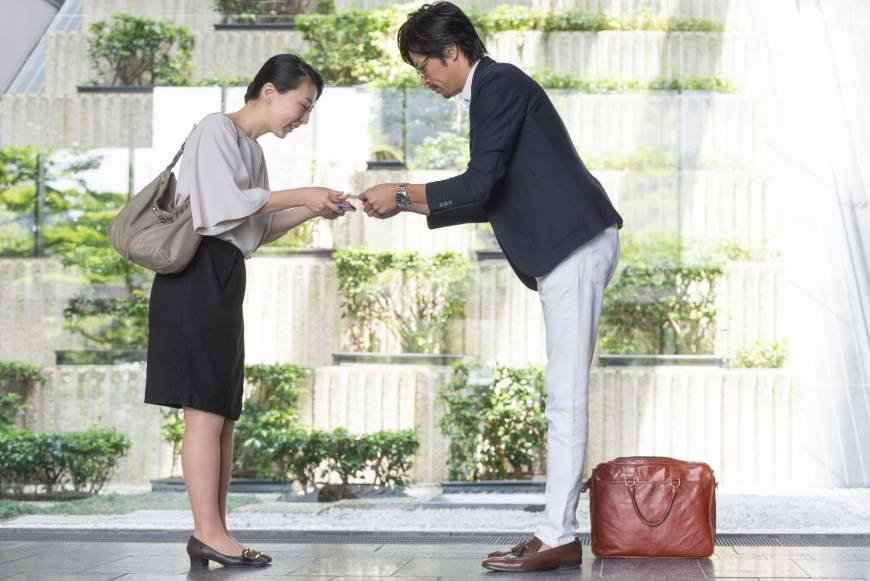
Why age matters more than job title in Korean business hierarchy — and the drinking-culture rituals that quietly decide whether a deal moves forward.
Key Takeaways
- Age and seniority shape Korean business hierarchy even more directly than in Japan — knowing someone's age and position affects exactly how you're expected to speak to them.
- Business card exchange follows a similar two-handed ceremony to Japan's, but with distinct Korean details, including how position titles factor into who presents first.
- After-work dinners and drinking (hoesik) are not optional socializing — they're often where real trust and negotiation groundwork actually happen, with their own specific etiquette around pouring and accepting drinks.
Hierarchy here runs on age as much as job title
Korean business culture is often grouped with Japan's under a broad "East Asian business etiquette" label, and while there's real overlap, the two diverge in specific, practically important ways. One of the sharpest differences: in Korea, age carries direct social weight that shapes everyday interaction, not just formal seniority. It's genuinely common, even expected, for new Korean colleagues to establish each other's age fairly early in a relationship, because it determines speech levels, seating order, and who defers to whom in situations where job title alone doesn't make it obvious. Missing this dynamic is one of the more common blind spots for foreign visitors who assume Japanese and Korean business hierarchy work identically.
Greetings and Introductions
A slight bow combined with a handshake is common in Korean business greetings — often performed simultaneously, unlike Japan, where a bow more often stands alone. The bow tends to be brief and is less central to the greeting itself than in Japan; the handshake, often with the left hand supporting the right forearm as a sign of respect, carries more of the actual greeting weight.
[Image placeholder: photo showing the supported handshake greeting style]
Business card exchange follows a ceremony similar in spirit to Japan's but with real differences worth knowing:
- Cards are given and received with both hands, and the more junior or visiting party often presents first — a subtle but real distinction from Japan, where presentation order is less strictly tied to relative status.
- The card is studied briefly upon receipt, with particular attention often paid to the person's title and company, since this immediately informs how the conversation and seating will unfold.
- Cards are kept visible on the table during the meeting rather than pocketed immediately, similar to Japanese practice.
- Position titles on the card matter enormously here — Korean corporate structures have well-defined title ladders (such as sawon, daeri, gwajang, bujang, and more senior executive titles), and these titles directly shape how you address someone afterward.
Address, Titles, and Speech Levels
Addressing someone by their position title plus the honorific suffix "-nim" (for example, "bujang-nim" for a department head) is standard and expected in Korean business settings — using a first name alone with someone senior, the way an American might, can come across as jarringly familiar. Foreign visitors aren't usually expected to master the full Korean honorific speech system, but showing awareness of title-based address, rather than defaulting to first names, is noticed and appreciated.
A related concept worth understanding is nunchi — roughly, the social skill of reading a room and sensing unspoken mood or hierarchy without being told directly. It's not something a foreign visitor needs to master, but knowing the concept exists helps explain why some Korean colleagues may seem to communicate through subtle cues rather than direct statements in group settings.
Meeting Etiquette and Punctuality
Punctuality is expected and taken seriously, similar to Japan. Arriving a few minutes early is the safer default, and any anticipated delay should be communicated as soon as possible.
Seating order in meetings often reflects seniority, with the most senior person typically seated furthest from the door or at the head of the table — broadly similar to Japanese practice. The most senior person present is also usually the one who speaks first and sets the tone; junior colleagues generally wait to be invited to contribute rather than volunteering opinions unprompted, particularly in front of more senior figures from either company.
Decision-making can involve a layered internal approval process, and a decision reached verbally in a meeting isn't always the final word — it's common for Korean counterparts to confirm internally before a commitment becomes firm, somewhat similar in spirit to Japan's consensus-building process, though generally less protracted.
Hoesik: Dinners, Drinking, and Real Relationship-Building
This is arguably the most distinctive part of Korean business culture, and one that surprises many first-time visitors: after-work dinners, known as hoesik, often matter as much as the formal meetings that precede them. A significant amount of trust-building and even informal negotiation groundwork happens over these dinners, which frequently include drinking.
Specific etiquette applies:
- Drinks, especially soju, are poured for others rather than yourself — pouring your own drink is considered somewhat impolite, similar in principle to Japanese dining etiquette but treated with particular importance here.
- When receiving a drink from someone senior, it's customary to hold your glass with both hands, or support your pouring arm with your other hand, as a sign of respect.
- When drinking in front of a more senior person, turning your head or body slightly away from them as you drink is a well-known, distinctly Korean gesture of respect — this specific practice doesn't have a direct equivalent in Japanese dining etiquette.
- Declining a drink outright can be socially awkward, though it's increasingly acceptable to explain you don't drink; a common workaround is to accept the pour but drink slowly or take only a small sip rather than the full glass each round.
Foreign business visitors aren't expected to keep pace with every round, but declining to participate in hoesik altogether, when genuinely invited, can be read as distancing yourself from the relationship-building process — attending, even briefly, is usually worth the effort.
Gift-Giving Customs
Gift-giving is a meaningful part of Korean business relationships, broadly similar in spirit to Japan's but with its own specific taboos.
- Gifts are given and received with both hands, and modest, well-presented items are preferred over anything overly extravagant.
- As in Japan and China, avoid gifts in sets of four, since the number carries a similar association with death in Korean culture.
- Red ink should never be used to write someone's name, as it's traditionally associated with death and used historically to record the deceased.
- A gift may be politely refused once or twice before being accepted — this is a normal part of the ritual, not genuine reluctance, and the giver is expected to insist gently rather than withdraw the offer immediately.
Communication Style
Like Japan, Korean business communication tends toward indirectness, particularly around refusal or disagreement — a direct "no" is uncommon in formal settings, and phrases suggesting difficulty or a need for further internal discussion often function as a polite decline.
Public disagreement with someone more senior, especially in front of others, is generally avoided in favor of raising concerns privately or through an intermediary. This is broadly consistent with the hierarchical communication patterns found across much of East Asian business culture, though the age-based dimension specific to Korea adds another layer foreign visitors should stay alert to, even among colleagues who hold similar job titles.
Common Mistakes to Avoid
- Assuming Korean and Japanese business etiquette are interchangeable. The overlap is real, but details like handshake-and-bow combinations, card presentation order, and drinking etiquette differ meaningfully.
- Defaulting to first names with someone senior. Title-plus-honorific address is expected and noticed when used correctly.
- Pouring your own drink at a hoesik dinner. Wait for someone to pour for you, and reciprocate by pouring for others.
- Declining hoesik invitations altogether. Even brief attendance signals genuine investment in the relationship.
- Treating a verbal meeting agreement as fully final. Internal confirmation often follows before a commitment is truly locked in.
- Giving gifts in sets of four, or writing a name in red ink. Both carry a death association in Korean culture.
In simple words
Korean business culture rewards clear awareness of age and hierarchy, careful handling of title-based address, and genuine participation in after-work relationship-building. It shares real structural similarities with Japan, but treating the two as identical is a common mistake — the drinking culture, card-exchange details, and age-driven social dynamics are distinctly Korean and worth learning on their own terms.
Frequently Asked Questions
How is Korean business etiquette different from Japanese business etiquette?
The two share a hierarchical, relationship-focused foundation, but differ in specifics: Korean greetings often combine a bow with a handshake, business card presentation order is more tied to relative status, age carries more direct social weight, and after-work drinking culture (hoesik) has its own distinct etiquette not found in the same form in Japan.
Do I have to drink alcohol at a Korean business dinner?
Not necessarily — it's increasingly acceptable to explain you don't drink, and accepting a pour while only sipping is a common workaround. But attending the dinner itself, even without heavy drinking, is generally important for the relationship.
Why does age matter so much in Korean business settings?
Korean social and business hierarchy is heavily influenced by Confucian traditions that tie respect closely to age, alongside formal job title. Knowing someone's age helps determine appropriate speech level and deference, even between people with similar positions.
What should I avoid when receiving a business card in Korea?
Avoid receiving it with one hand, writing on it, or pocketing it immediately without looking at it. Take a moment to note the person's title, since it will likely shape how you address them going forward.
Is it rude to refuse a gift in Korean business culture?
Not immediately — a polite, brief refusal before accepting is a normal part of the ritual on both sides, not a sign of genuine reluctance. The gift-giver is expected to insist gently rather than withdraw the offer.
This guide reflects general, commonly observed business customs in South Korea. Practices can vary by company, industry, and generation — when in doubt, observe and follow the lead of your Korean counterparts.
Continue with related WorldDepth guides
Related articles

Country Guides • Country Guide
Business Etiquette in Indonesia: A Practical Guide for International Professionals
Why "belum" rarely means "not yet" — and how pushing for a direct answer in an Indonesian negotiation can quietly cost you the deal.

Country Guides • Country Guide
Business Etiquette in Nigeria: A Practical Guide for International Professionals
Why "home training" is the harshest judgment in Nigerian business culture — and how greeting protocol, more than your pitch, decides whether a deal gets a second meeting.

Country Guides • Country Guide
Business Etiquette in Italy: A Practical Guide for International Professionals
Why "bella figura" matters more than your pitch deck — and why doing business in Milan can feel genuinely different from doing business in Naples.