
Business Dining Etiquette Around the World: What to Know Before the Meal
Who pays, who orders first, and why rushing the meal is a mistake almost everywhere except two countries in this entire guide.
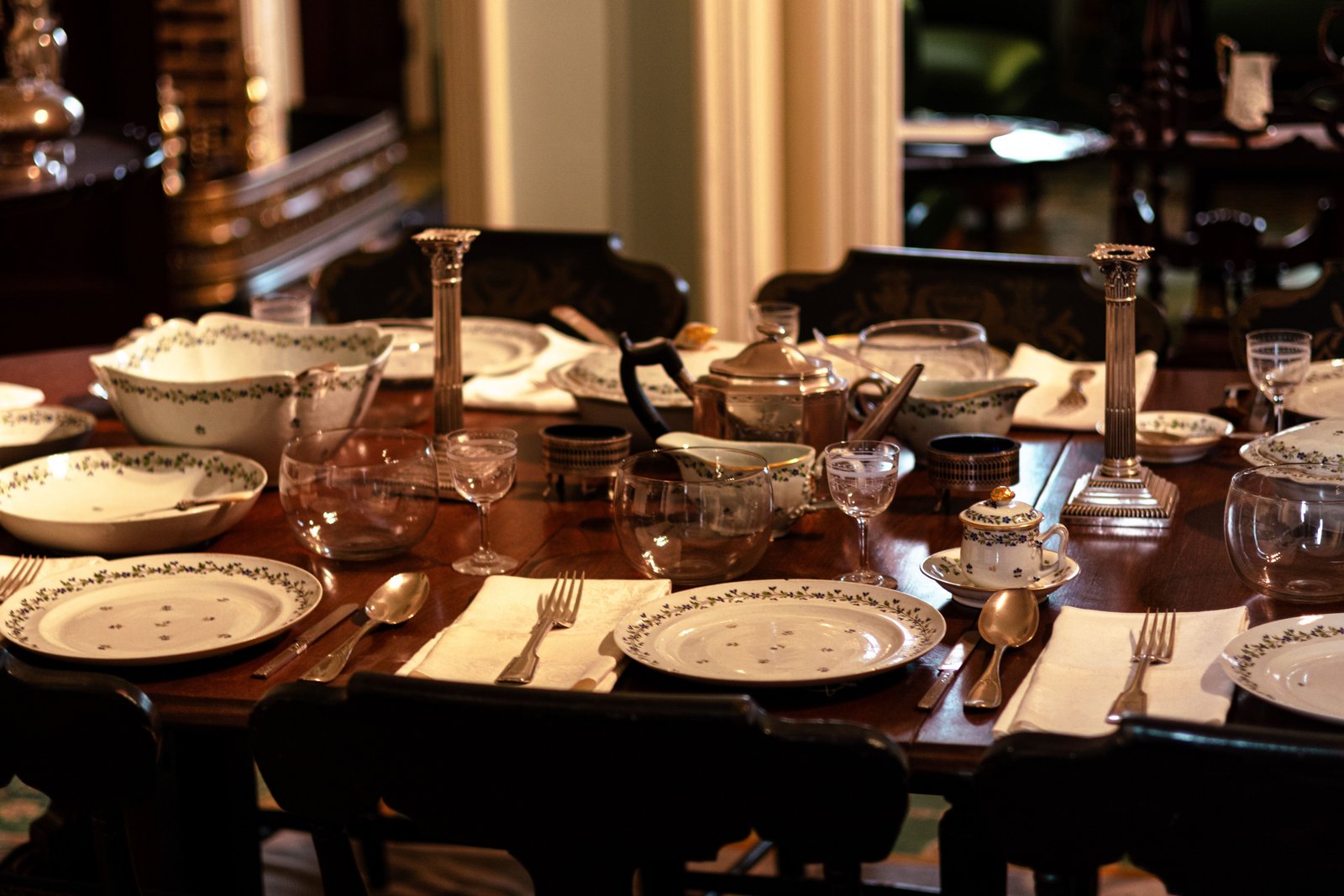
Who pays, who orders first, and why rushing the meal is a mistake almost everywhere except two countries in this entire guide.
Key Takeaways
- In most of the countries covered in this series, the business meal is genuine relationship-building work, not a break from it — rushing through it is one of the most consistently flagged mistakes across our entire guide.
- Who pays almost always follows whoever extended the invitation — a pattern that holds surprisingly consistently from France to Mexico to Italy.
- Specific mechanics — chopstick taboos in East Asia, pouring drinks for others rather than yourself in Korea and Japan, accepting hospitality gracefully in the Gulf — vary enough that a single "table manners" mental model doesn't transfer cleanly.
The meal is often the real meeting
Across most of the countries in this series, a genuine amount of business relationship-building happens at the table, not in the boardroom — sometimes more of it. Treating a business meal as a quick, efficient stop before getting back to "real work" is a mistake flagged repeatedly across our individual country guides, from France's two-hour lunch to Nigeria's hospitality-first meetings. This guide pulls together the specific mechanics — payment, seating, alcohol, utensils — that differ enough by country to be worth knowing before you sit down.
France: The Meal as the Real Negotiation
The French business lunch is close to a formal institution — a two-hour meal with wine and multiple courses, where business specifics are typically raised only in the later stages, not over the appetizer. Whoever extended the invitation generally pays, without a prolonged back-and-forth over the bill. Full detail in our France guide.
Germany: Restrained and Purpose-Driven
German business meals are more restrained than France's — a working lunch is often an extension of the conversation rather than a separate relationship-building ritual. Wait for a toast or the host before eating or drinking, and keep hands visible above the table, the general European norm. A simple "Prost" with direct eye contact accompanies any toast. See our Germany guide.
Japan: Let the Host Guide the Meal
Business relationships in Japan are often built as much over dinner as in the boardroom. Let your host order or guide the meal, and pour drinks for others rather than filling your own glass — a small but noticed courtesy. If using chopsticks, never stick them upright in a bowl of rice (a funeral association) and avoid passing food directly from your chopsticks to someone else's. See our Japan guide.
South Korea: The Most Ritualized Drinking Etiquette in This Guide
After-work dinners (hoesik) carry real relationship-building weight, often including significant drinking. Never pour your own drink — wait for someone to pour for you, and reciprocate for others. When receiving a drink from someone senior, hold your glass with both hands or support your pouring arm. Turning slightly away when drinking in front of a senior figure is a distinctly Korean gesture of respect with no direct Japanese equivalent. See our South Korea guide.
China: Seating Order and Modest Toasting
Banquets remain important, though generally more modest now than a decade ago due to anti-corruption scrutiny. Expect a large round table with a rotating serving tray, and wait to be shown your seat — the most senior guest typically faces the door. Toasting is common and it's polite to reciprocate when toasted directly, though heavy drinking is not a universal expectation. See our China guide.
Mexico and Brazil: Reciprocated Hospitality
Both countries treat meals as genuine relationship-building settings, with substantial personal conversation before business content. In Mexico, reciprocating hospitality — hosting a return meal — signals real investment in the relationship. In Brazil, a long lunch or dinner with wine and relatively little direct business talk until later is entirely normal, closer in spirit to France's pacing than to Germany's restraint. See our Mexico and Brazil guides.
UAE and Saudi Arabia: Hospitality as Relationship Signal
Accepting offered Arabic coffee or tea is a genuine part of relationship-building in both countries, not just a beverage offer — declining outright can read as brushing past the welcome being extended. In Saudi Arabia specifically, meals may pause for prayer, which should be treated as entirely normal rather than a disruption. See our UAE and Saudi Arabia guides.
The Two Exceptions: Where Rushing Isn't the Mistake
Almost every country in this guide punishes rushing the meal — but the US and UK are the closer exceptions. American business meals tend to be shorter and more purpose-driven, closer to the country's generally faster meeting pace, and lingering too long can occasionally read as stalling rather than relationship-building. UK business dining sits in between — some genuine relationship value, particularly around after-work pub socializing, but less formally ritualized than France's or China's approach to the meal itself. See our US and UK guides.
Common Mistakes to Avoid
- Rushing through a business meal in France, Japan, China, Mexico, or Brazil — the meal is often the actual relationship-building work.
- Pouring your own drink in South Korea or Japan, rather than waiting for someone to pour for you.
- Sticking chopsticks upright in rice in Japan, or passing food chopstick-to-chopstick.
- Declining offered coffee or tea outright in the UAE or Saudi Arabia.
- Applying the same pacing everywhere — the US and UK reward a somewhat brisker meal than most of this list.
Frequently Asked Questions
Which country has the most formal business dining ritual?
France's two-hour business lunch is arguably the most institutionalized in this guide, though China's banquet seating order and South Korea's drinking etiquette are similarly detailed in their own specific ways.
Is it ever appropriate to rush a business meal?
In most countries in this guide, no — but the US and, to a lesser extent, the UK are the closer exceptions, where a business meal tends to be shorter and more purpose-driven.
Who typically pays for a business meal?
In most countries covered here — France, Mexico, and others — whoever extended the invitation is expected to pay, generally without an extended back-and-forth over the bill.
For full country-specific dining etiquette, see our individual country guides linked throughout this article.
Continue with related WorldDepth guides
Related articles
Cross-Cultural Deep Dives • Cross Cultural Deep Dive
How Direct or Indirect Is Business Communication in Your Target Country?
A practical spectrum for calibrating how bluntly — or how carefully — you should expect disagreement, feedback, and refusal to be delivered before your next meeting abroad.
Cross-Cultural Deep Dives • Cross Cultural Deep Dive
Punctuality Norms Around the World: Where "On Time" Really Means On Time
On time" doesn't mean the same thing everywhere — a practical spectrum of what punctuality actually signals in different business cultures, without ranking any of them as better or worse.
Cross-Cultural Deep Dives • Cross Cultural Deep Dive
Gift-Giving Do's and Don'ts in International Business: A World Guide
The number, color, or object that reads as thoughtful in one country can read as a funeral reference in another — a practical guide to the taboos that actually matter.